Depression Treatment in Savannah, GA: Questions to Ask When Symptoms Persist

Depression Treatment in Savannah, GA: Questions to Ask When Symptoms Persist

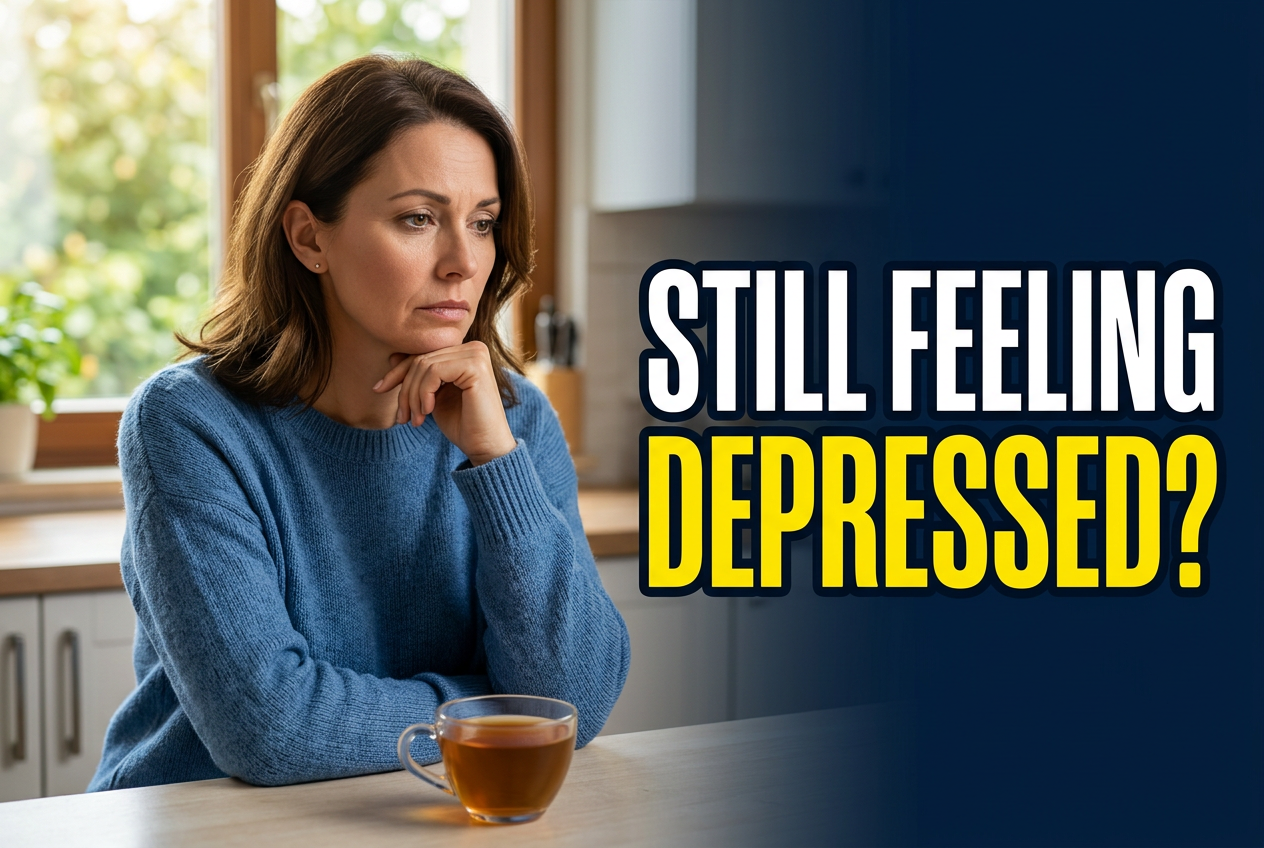
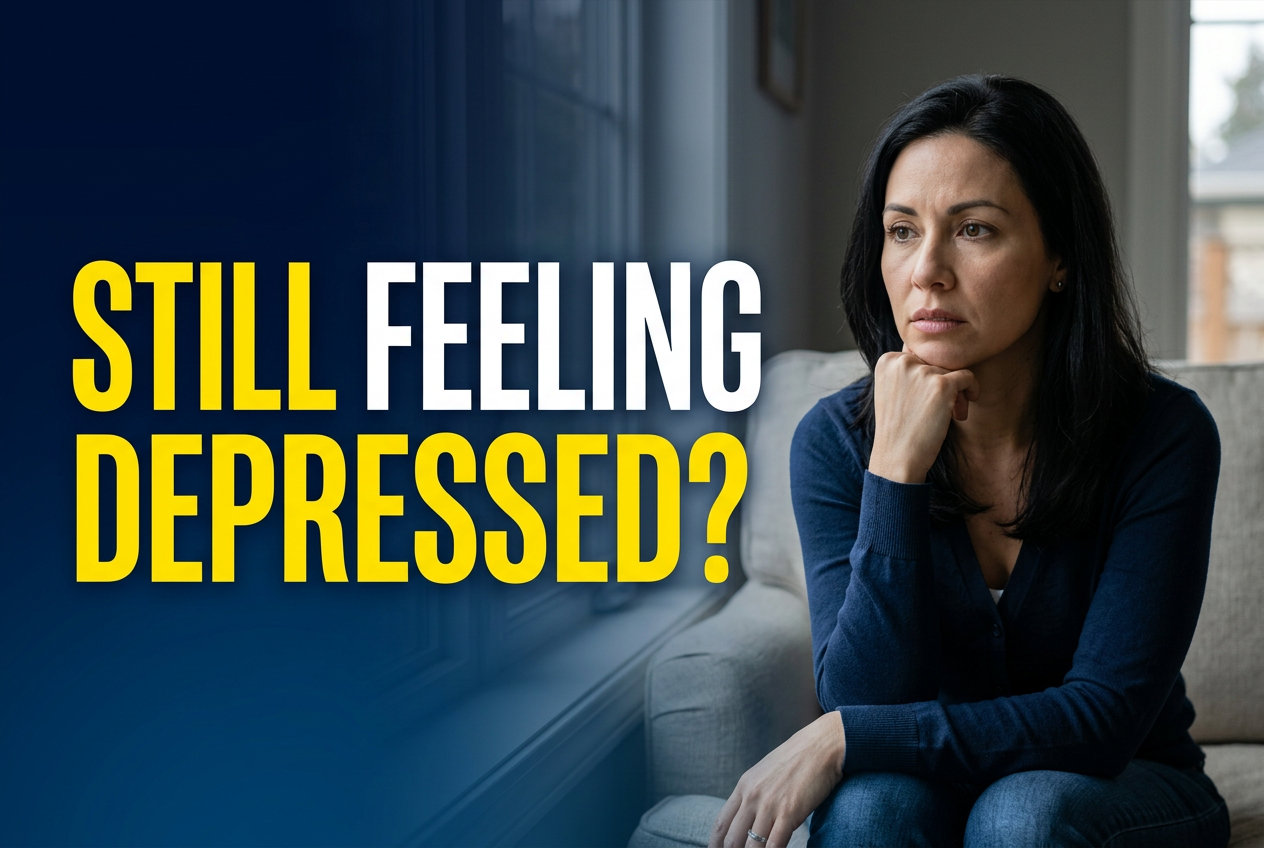
If depression symptoms continue despite treatment, it can be discouraging—but it does not mean that improvement is impossible or that you have failed. Depression treatment may take time, and the right plan depends on your symptoms, health history, preferences, and response to care. If you are exploring depression treatment in Savannah, GA, a conversation with a psychiatrist can help clarify what may be affecting your progress and what options could be considered next.

Key Takeaways

  • Persistent symptoms may call for a closer review of the diagnosis, treatment plan, side effects, and daily circumstances.
  • Do not stop or change prescribed medication without discussing it with your prescriber.
  • A psychiatrist may consider medication adjustments, psychotherapy, other supports, or—in appropriate cases—TMS.
  • Ask how progress will be measured, when to follow up, and what to do if symptoms worsen.

What Does It Mean When Depression Symptoms Persist?

Depression can affect mood, interest, energy, concentration, sleep, appetite, and the ability to manage everyday responsibilities. Symptoms and their severity vary from person to person. Some people notice partial improvement, while others experience little change or have difficulty tolerating a treatment.

There are many possible reasons progress may be limited. A treatment may not have had enough time to work, the approach may not be a good fit, or side effects may make it hard to follow the plan. Other health conditions, stress, sleep disruption, substance use, or another mental health condition can also affect symptoms. These possibilities are worth reviewing with a clinician rather than trying to determine the cause alone.

Clinicians sometimes use the term “treatment-resistant depression” when symptoms have not improved sufficiently after multiple adequate treatment attempts. The definition and next steps depend on the individual’s history. The term is not a judgment, and it does not mean that further care cannot help.

What a Psychiatric Evaluation May Cover

A psychiatrist may ask about when symptoms began, how they have changed, and how they affect work, relationships, sleep, and daily routines. They may review previous and current treatments, including how long each was tried, the degree of benefit, any side effects, and any barriers to taking medication as prescribed.

The evaluation may also include questions about medical conditions, other medications or supplements, alcohol or other substances, major life events, and family mental health history. A clinician may ask about past periods of unusually elevated or irritable mood, reduced need for sleep, or increased activity, since these details can affect diagnostic and treatment decisions. In some situations, medical assessment or laboratory testing may be considered to check for health factors that could contribute to symptoms.

Be as open as you can, including about missed doses or concerns. This information helps your provider understand what has and has not been workable. You can bring a medication list, notes about symptoms, and questions you want to cover.

Questions to Discuss With a Psychiatrist in Savannah

Use your appointment to work together on a plan. You might ask:

  • Could anything be affecting the diagnosis or my response to treatment? Ask whether your symptoms, health history, or other medications suggest that the evaluation should be revisited.
  • How should we decide whether my current treatment is helping? Discuss which symptoms to track, how much change to look for, and when to review progress.
  • What are the benefits, risks, and alternatives to changing my plan? If medication is part of your care, ask about potential side effects, interactions, and what to do if problems arise.
  • Could psychotherapy or another support be useful alongside medication? Psychotherapy and medication are different approaches, and a clinician can discuss whether either—or a combination—fits your needs.
  • Am I a candidate for TMS, and what would an evaluation involve? Ask about possible benefits, limitations, risks, practical requirements, and whether this option is appropriate for your circumstances.
  • When should we follow up, and who should I contact if symptoms worsen? Clarify the follow-up plan and how to seek help between visits.

Treatment Options and What to Consider

Depending on the evaluation, a clinician may recommend continuing the current plan longer, adjusting it, considering a different medication, or reviewing whether another diagnosis or health factor needs attention. Medication is not necessary for everyone, and decisions should account for your preferences, health history, possible benefits, and risks. Never stop or change a prescribed medication without guidance from the prescriber.

Psychotherapy can help people explore patterns, build coping skills, and address challenges related to depression. It may be used on its own or alongside other care, depending on the person and the clinical recommendation. Sleep routines, social support, and manageable daily activities may also be part of a broader care plan, but they are not substitutes for an evaluation when symptoms are persistent or severe.

When TMS May Be Discussed

Transcranial Magnetic Stimulation (TMS) uses magnetic pulses to stimulate targeted brain regions. It may be considered for certain people with depression after a professional assessment of their symptoms, treatment history, health factors, and preferences. TMS is not suitable for everyone, is not a cure, and should not be assumed to be available at every clinic or location.

Potential side effects can include scalp discomfort or headache; more serious risks, such as seizure, are uncommon but should be discussed with a qualified clinician. An evaluation can cover expected treatment demands, possible benefits and limitations, safety considerations, and alternatives. TMS, psychotherapy, and medication management are distinct approaches, and a provider can explain how they may or may not fit into an individual care plan.

What to Expect From Follow-Up Care

Follow-up appointments allow you and your clinician to review changes, side effects, and practical challenges. It may help to note sleep, energy, mood, concentration, and daily functioning between visits. Improvement can be gradual, and a plan may need to be revised based on your response. Ask how soon to report a concern rather than waiting for a scheduled appointment if you are experiencing a troubling change.

Frequently Asked Questions

Should I keep taking medication if I do not feel better?

Contact the prescriber to discuss your symptoms and concerns. Do not stop or adjust medication on your own; your clinician can advise you based on the medication and your situation.

Does persistent depression automatically mean I need TMS?

No. TMS is one option that may be considered for some people after an individual assessment. A psychiatrist can discuss whether it is appropriate and explain other options.

What should I bring to a psychiatric appointment?

A list of medications and supplements, notes about symptoms and side effects, previous treatment details, and questions can help make the conversation more useful. If you do not have complete records, share what you remember.

What if I am thinking about suicide or cannot stay safe?

If you or someone else is in immediate danger, call 911 or go to the nearest emergency department. In the United States, call or text 988 for the Suicide & Crisis Lifeline. DPS Health & Wellness is not an emergency or crisis service.

About DPS Health & Wellness

DPS Health & Wellness provides psychiatric and mental health services. Adults in Savannah who are considering care can learn more about the practice and contact it with questions about its services and availability. No particular service or appointment availability should be assumed for a specific location; ask the practice directly for current information.

For additional general information about depression, visit the National Institute of Mental Health depression information page. If you are seeking depression treatment in Savannah, GA, learning about your options and preparing questions can help you take an informed next step.

Learn More About DPS Health & Wellness

Watch: DPS Health & Wellness on YouTube

Best Mental Health Clinic in Savannah Georgia

Depression Treatment Thomasville GA: What a Psychiatrist May Review When Symptoms Persist

Depression Treatment Thomasville GA: What a Psychiatrist May Review When Symptoms Persist

If depression symptoms continue despite treatment, it can be discouraging—but it does not mean that improvement is impossible or that you have failed. Depression treatment Thomasville GA may involve taking a closer look at the diagnosis, how a treatment is working in daily life, side effects, and other factors that can affect mood. A psychiatric evaluation can help you and a clinician consider next steps based on your health history, needs, and preferences.

Key Takeaways

  • Persistent symptoms call for a thoughtful review, not an assumption that one particular treatment is right for everyone.
  • A psychiatrist may revisit symptoms, diagnosis, treatment history, medication use and effects, sleep, physical health, and life circumstances.
  • Options may include psychotherapy, medication changes made with a prescriber, combined care, or an assessment for other treatments such as TMS.
  • Do not stop or change a prescribed medication without guidance from the prescribing clinician.
  • If you may harm yourself or someone else, call or text 988; call 911 for immediate danger.

What Does It Mean When Depression Symptoms Persist?

Depression can affect mood, interest, energy, concentration, sleep, appetite, and a person’s ability to manage everyday responsibilities. Symptoms may continue, return, or improve only partly during treatment. People respond differently, and finding an appropriate plan can take time.

Clinicians may use the term treatment-resistant depression when symptoms have not improved enough after treatment attempts. The term is not a judgment, and its use depends on a person’s clinical history. Before drawing conclusions, a clinician may review whether the diagnosis and treatment plan fit the person’s situation and whether the treatment has been practical and tolerable.

What a Psychiatrist May Review

Symptoms, history, and the working diagnosis

An evaluation may cover when symptoms began, how they have changed, and how they affect work, relationships, sleep, and self-care. The clinician may ask about previous periods of depression, family mental health history, and any past experiences of unusually elevated or irritable mood, increased energy, or reduced need for sleep. This can help assess whether another or additional condition, such as bipolar disorder, could be relevant. An evaluation is not a diagnosis based on one symptom alone.

A clinician may also ask about anxiety, attention difficulties, trauma, substance use, and other concerns. Some symptoms overlap across conditions, so a full history can help guide the assessment.

Treatment history and day-to-day fit

Be ready to describe treatments you have tried, how long you used them, what changed, and what made them difficult. For medication, discuss the prescribed directions, missed doses, benefits, and side effects. This is not about blame: cost, routine, access, and unwanted effects can all influence whether a plan is workable.

Tell the prescriber about all medications and supplements you use, including those prescribed by other clinicians. Do not stop, restart, or adjust psychiatric medication on your own. Some medications can cause problems if changed abruptly, so ask the prescriber how to proceed if you have concerns.

Health, sleep, and life circumstances

Physical health conditions, other medications, sleep disruption, alcohol or other substances, and ongoing stress can affect mood or complicate treatment. Depending on your history and symptoms, a clinician may consider whether coordination with another healthcare professional or further medical assessment is appropriate. Testing is based on clinical judgment; there is no single test that confirms depression for everyone.

It can also be useful to discuss grief, caregiving, relationship strain, work pressures, and changes in social support. These circumstances do not make symptoms less real, but they may shape what kinds of support are helpful.

Treatment Options That May Be Considered

The next step depends on the evaluation and your preferences. A plan may involve one treatment or a combination, with follow-up to check progress and make adjustments when clinically appropriate.

  • Psychotherapy: Different forms of talk therapy can help people work with depressive thoughts, behaviors, relationships, or life challenges. A clinician can discuss whether therapy may fit your goals.
  • Medication management: A prescriber may review whether a medication is helping, whether side effects are manageable, or whether another approach should be considered. Medication is not necessary or appropriate for every person.
  • Combined care: Some people may benefit from psychotherapy alongside medication or other supports. These approaches have different roles and are not automatically interchangeable.
  • Transcranial Magnetic Stimulation (TMS): TMS uses magnetic pulses to stimulate targeted brain regions. It may be considered for some people after a professional assessment; it is not suitable for everyone and is not a cure. Potential side effects can include scalp discomfort or headache, and serious risks such as seizure are uncommon but should be discussed. Clinicians also review relevant medical history and implanted devices or metal near the treatment area.

Whether TMS or any other specific treatment is available through a particular practice or location should be confirmed directly. An article cannot determine whether you are a candidate.

What to Expect From Follow-Up Care in Thomasville

Follow-up visits give you and your clinician a chance to review symptom changes, daily functioning, side effects, and questions about the plan. It may help to keep brief notes about sleep, mood, energy, and medication effects between visits. Bring an up-to-date medication list and be candid about what is and is not manageable.

For people seeking depression treatment in Thomasville, ask how follow-up is arranged and what to do if symptoms worsen between appointments. You can also ask how your preferences and goals will be included in decisions. Treatment plans are individualized, and progress may not be immediate or follow a straight line.

Questions to Ask a Psychiatrist

  • Could anything about my symptoms or history change the working diagnosis?
  • How will we assess whether my current treatment is helping?
  • What benefits, side effects, or risks should I understand before changing the plan?
  • Could psychotherapy, a medical evaluation, or another treatment be relevant for me?
  • When should we follow up, and who should I contact if symptoms worsen?

Frequently Asked Questions

Does persistent depression mean treatment has failed?

Not necessarily. It may mean that the plan needs reassessment or more time, or that symptoms and circumstances need a closer review. A clinician can help interpret your treatment history and discuss possible next steps.

Should I stop my medication if I do not feel better?

No. Do not stop or change a prescribed medication without speaking with the prescriber. Contact them to discuss your symptoms, concerns, and safe options.

Is TMS right for everyone whose depression symptoms persist?

No. TMS is one option that may be considered for certain patients after clinical evaluation. A qualified clinician can discuss potential benefits, limitations, risks, and whether assessment is appropriate for your situation.

What if I am having thoughts of suicide?

If you are in emotional distress or having thoughts of suicide, call or text 988 in the United States for immediate crisis support. If you or someone else is in immediate danger, call 911 or go to the nearest emergency department. DPS Health & Wellness is not an emergency or crisis service.

About DPS Health & Wellness

DPS Health & Wellness provides psychiatric and mental health services. If you are exploring care related to persistent depression symptoms in Thomasville, you can contact the practice to learn more about its services and ask whether they may fit your needs. Do not assume that a particular service is offered in every location; confirm details with the practice.

Learning more can be a useful first step toward discussing your concerns with a professional. For information about DPS Health & Wellness, visit the practice website.

Learn More About DPS Health & Wellness

Watch: DPS Health & Wellness on YouTube

Savannah GA’s Best Psychiatrist Here

Depression Treatment in Statesboro, GA: What to Discuss When You’re Not Improving

Depression Treatment in Statesboro, GA: What to Discuss When You’re Not Improving

If depression treatment does not seem to be helping, it can be discouraging—but it does not mean that improvement is impossible or that you have done anything wrong. A conversation with a psychiatrist can help clarify what is affecting your progress and whether your care plan needs to be adjusted. If you are looking into depression treatment in Statesboro, GA, preparing a few observations and questions can help make that conversation more useful.

Key Takeaways

  • Share which symptoms have changed, which have persisted, and how they affect daily life.
  • A psychiatrist may review your diagnosis, treatment history, medications, health factors, and current stressors.
  • Options may include a different treatment approach, psychotherapy, medication adjustments made with a prescriber, or—when appropriate—TMS.
  • Do not stop or change prescribed medication without first talking with your prescriber.

Why Depression Treatment May Not Be Helping

Depression treatment is not always a quick or straightforward process. People can respond differently to the same approach, and it may take time to find a plan that fits their symptoms, health history, preferences, and daily circumstances. Sometimes a treatment needs more time or a closer review; other times, a different approach may be worth discussing.

It can also be difficult to tell whether treatment is helping. Some people notice better sleep or concentration before their mood improves. Others may experience partial relief while symptoms such as low motivation, sadness, or loss of interest continue to interfere with work, relationships, or self-care.

Tell your clinician if symptoms are worsening, returning, or changing. Also mention new or concerning effects you associate with treatment. These details can help guide a careful reassessment rather than a guess about what to do next.

What to Discuss With a Psychiatrist

Describe your symptoms and day-to-day functioning

Before an appointment, consider writing down what has been happening and when it began. Note changes in mood, energy, sleep, appetite, concentration, interest in activities, and ability to manage daily responsibilities. You do not need to track everything perfectly. A few specific examples can help explain what “not helping” means for you.

It may be useful to discuss whether symptoms are constant or come and go, whether anything makes them better or worse, and how they affect your relationships, work, school, or routine. Include any periods of unusually high energy, reduced need for sleep, or marked changes in mood. This information can help a clinician understand your experience and consider whether further evaluation is needed.

Review your treatment history and medication concerns

Bring a list of current medications, supplements, and past depression treatments if you can. Include how long you tried each treatment, what changed, and any side effects or practical barriers. If you have trouble remembering details, pharmacy records or notes may help.

Ask what benefits or side effects to monitor and when to follow up. If you are taking medication, do not stop, skip, or change it on your own; some medications can cause problems if stopped abruptly. Contact your prescriber to discuss concerns and possible next steps.

Mention health, sleep, and life circumstances

Physical health conditions, other medications, sleep difficulties, substance use, stress, grief, and major life changes can affect mood and treatment planning. Share what feels relevant, even if you are unsure whether it is connected. A psychiatrist may ask about these factors as part of understanding your overall health and deciding whether additional assessment or coordination of care is appropriate.

What a Psychiatric Evaluation May Involve

A psychiatric evaluation typically includes a discussion of your current concerns, symptom history, past treatment, health history, and goals. The clinician may ask about your sleep, mood, concentration, relationships, and daily functioning. They may also ask about family mental health history and safety. The purpose is to understand your needs and consider appropriate options—not to make assumptions based on one symptom.

Based on the evaluation, the psychiatrist may discuss whether the current diagnosis and plan still fit, whether other factors should be assessed, and what follow-up would be useful. You can ask why a particular option is being considered, what its potential benefits and risks are, and how progress will be reviewed.

Treatment Options to Ask About

Next steps depend on your evaluation and preferences. Options may include continuing a treatment with a clearer monitoring plan, changing the approach, or coordinating care with another mental health professional. Psychotherapy can be an important part of depression care for some people. Medication may be considered for some patients, but it is not necessary or appropriate for everyone. These approaches are not interchangeable, and a clinician can help explain how they may fit into an individual plan.

When TMS may be part of the conversation

Transcranial Magnetic Stimulation (TMS) uses magnetic pulses to stimulate targeted brain regions. It may be considered for certain people with depression after a professional evaluation of their symptoms, treatment history, health factors, and preferences. TMS is not appropriate for everyone, is not a cure, and should not be assumed to be available at every location.

Ask a qualified clinician about possible benefits, limitations, alternatives, and what an evaluation would involve. TMS can cause side effects, including scalp discomfort or headache; more serious risks, such as seizure, are uncommon but important to discuss. Your clinician can explain how potential risks apply to your circumstances and whether further assessment is needed.

Preparing for Follow-Up in Statesboro, GA

When seeking depression treatment in Statesboro, GA, you can make a short list of questions to bring to a psychiatric appointment. For example:

  • What changes in my symptoms or functioning should I report?
  • How will we decide whether my current treatment is helping?
  • Could side effects, sleep, health conditions, or other factors be affecting my progress?
  • What alternatives are reasonable to consider, and what are their potential risks and benefits?
  • When should we check in again, and whom should I contact if symptoms worsen?

Follow-up is a chance to review your response and discuss concerns. If a plan is changed, ask what to expect and when to seek guidance. Treatment decisions should be made with a qualified professional who understands your individual situation.

When to Seek Urgent Help

If you are thinking about suicide or feel unable to keep yourself safe, call or text 988 in the United States for crisis support. If there is immediate danger or a medical emergency, call 911 or go to the nearest emergency department. DPS Health & Wellness is not an emergency or crisis service.

Frequently Asked Questions

Does treatment not helping mean I have treatment-resistant depression?

Not necessarily. A clinician needs to review your symptoms, diagnosis, treatment history, and other relevant factors before using that term or recommending a next step. A lack of improvement is a reason to discuss your care, not to label yourself.

Should I stop taking medication if I do not feel better?

No. Do not stop or adjust prescribed medication without consulting your prescriber. Contact them to discuss your symptoms, concerns, side effects, and options for a safe plan.

How soon should I follow up if symptoms continue?

Ask your prescriber what follow-up timing is appropriate for your treatment. Contact the care team sooner if symptoms worsen or you have concerning side effects. Seek urgent help if you may harm yourself or cannot stay safe.

Is TMS an option for everyone with depression?

No. TMS requires an individual clinical assessment, and it may not be suitable for every person. A clinician can discuss whether it is worth considering and explain potential risks, limitations, and alternatives.

About DPS Health & Wellness

DPS Health & Wellness provides psychiatric and mental health services. If you are exploring care, you can contact the practice to learn more about its services and whether they may fit your needs. Do not assume a specific treatment or in-person service is available in a particular location; ask the practice directly.

Learn More

If you are considering your next steps for depression care in Statesboro, Georgia, learn more about DPS Health & Wellness and the psychiatric and mental health services it provides.

Learn More About DPS Health & Wellness

Watch: DPS Health & Wellness on YouTube

What is TMS (TMS Therapy Statesboro Georgia)

Depression Treatment in Milledgeville, GA: What a Psychiatric Evaluation Can Clarify

Depression Treatment in Milledgeville, GA: What a Psychiatric Evaluation Can Clarify

If depression symptoms persist or keep returning, it can be hard to know what kind of help may be useful. For people exploring depression treatment in Milledgeville, GA, a psychiatric evaluation can help clarify symptoms, consider possible causes, and identify treatment options to discuss with a qualified professional. An evaluation does not automatically mean a particular diagnosis or medication; it is a chance to understand the situation and plan next steps together.

Key Takeaways

  • A psychiatric evaluation considers symptoms, health history, daily functioning, and previous treatment—not just a checklist.
  • Persistent depression symptoms may have different explanations, and a clinician can assess for other mental health or medical factors.
  • Treatment options may include psychotherapy, medication, or, for some people, TMS; they are not interchangeable, and suitability varies.
  • Follow-up helps assess how a plan is working and whether adjustments or additional support should be considered.

What persistent depression symptoms can look like

Depression can affect mood, interest, thinking, sleep, appetite, energy, and a person’s ability to manage everyday responsibilities. Some people feel persistently sad or empty; others mainly notice loss of interest, irritability, fatigue, difficulty concentrating, or changes in sleep. Symptoms and their impact can vary from person to person.

A clinician may ask how long symptoms have been present, how often they occur, and how they affect work, relationships, and self-care. Symptoms that continue for around two weeks or longer, recur, or interfere with daily life are reasons to consider professional support. This general timeframe is not a diagnosis. Only a qualified clinician can assess what may be happening.

What a psychiatric evaluation in Milledgeville may clarify

A psychiatric evaluation is a conversation and assessment used to understand a person’s concerns and discuss appropriate care. Depending on the situation, it may cover:

  • Current symptoms: Mood, interest, energy, concentration, sleep, appetite, and changes in daily functioning.
  • Timeline and context: When symptoms began, whether they come and go, and any relevant stressors or life changes.
  • Personal and family history: Past mental health concerns, previous treatment experiences, and relevant family history.
  • Health and substance factors: Medical conditions, medications, supplements, alcohol or other substance use, and other factors that could affect mood.
  • Safety and support: Available support, immediate concerns, and any thoughts of self-harm or suicide.

The clinician may ask about periods of unusually elevated or irritable mood, reduced need for sleep, or increased activity. This helps assess whether symptoms might fit a condition other than unipolar depression, such as bipolar disorder, because the distinction can affect treatment planning. A clinician may also consider anxiety, trauma-related concerns, medication effects, or medical contributors. Additional assessment or coordination with another healthcare professional may be appropriate.

For an appointment, it can help to bring a list of current medications and supplements, relevant health history, and notes about symptoms or past treatments. Be candid about what has helped, what has not, and any side effects. There is no need to have the right words or arrive with a self-diagnosis.

Depression treatment options to discuss

Treatment planning is individual. The clinician can explain possible benefits, limitations, and risks, and take your preferences and health history into account. A diagnosis or evaluation does not mean medication is always necessary.

Psychotherapy and other supports

Psychotherapy can help people work on patterns of thought, behavior, coping, and life challenges. It is a distinct form of care from psychiatric medication management. A clinician may discuss therapy as part of a plan or suggest coordinating with a therapist. Sleep routines, social support, and manageable daily activities may also be discussed as supportive measures, but they are not a substitute for needed professional care.

Psychiatric medication management

Medication may be one option, depending on the evaluation and the person’s circumstances. A prescriber can discuss expected benefits, possible side effects, interactions, and how progress would be monitored. People should not start, stop, or change prescribed medication without guidance from their prescriber. If side effects or concerns arise, contact the prescriber to discuss them.

When TMS may be considered

Transcranial Magnetic Stimulation (TMS) uses magnetic pulses to stimulate targeted brain regions. It may be considered for certain people with depression after a professional evaluation, including when symptoms have not improved adequately with other treatment approaches. TMS is not appropriate for everyone, is not a cure, and is not interchangeable with psychotherapy or medication.

Potential side effects can include discomfort or headache around the treatment area. Rarely, a seizure can occur; clinicians also consider relevant health history and device or metal implants when assessing suitability. Ask a qualified provider what assessment, risks, alternatives, and practical arrangements would apply. Do not assume TMS is offered in a specific location without confirming directly.

Depression care questions for a Milledgeville evaluation

People seeking depression treatment in Milledgeville can use an evaluation to ask questions such as:

  • What possible explanations for my symptoms are you considering?
  • What are the benefits and risks of the options that may fit my situation?
  • How will we know whether treatment is helping, and when should we follow up?
  • What should I do if symptoms worsen or I experience side effects?
  • Would coordination with a therapist or another healthcare professional be helpful?

Care may involve follow-up visits to review symptoms, functioning, concerns, and treatment preferences. The pace and plan vary. If an approach is not helping or is difficult to tolerate, tell the clinician; that information can guide a discussion about next steps.

When to seek urgent help

If you or someone else may be in immediate danger, call 911 or go to the nearest emergency department. If you are in the United States and experiencing suicidal thoughts or emotional distress, call or text 988 to reach the Suicide & Crisis Lifeline. DPS Health & Wellness is not an emergency or crisis service.

Frequently Asked Questions

Does a psychiatric evaluation mean I will be prescribed medication?

No. An evaluation helps clarify concerns and discuss options. Medication may be considered, but a plan depends on the clinical assessment and your needs and preferences.

Should I wait until symptoms become severe before seeking help?

No. You can seek an evaluation when symptoms persist, return, or make daily life harder. You do not need to wait for a crisis to ask for professional support.

Can an evaluation determine whether TMS is appropriate?

An evaluation can help a clinician consider whether TMS may be suitable, but candidacy depends on individual clinical factors. Ask the provider about assessment requirements, possible risks, alternatives, and availability.

How should I prepare for an evaluation?

Consider noting when symptoms began, how they affect your routine, past treatments, current medications and supplements, and questions you want to ask. Sharing concerns openly can help guide the discussion.

About DPS Health & Wellness

DPS Health & Wellness provides psychiatric and mental health services. People in Milledgeville who are exploring depression care can contact the practice to learn more about its services and whether an option may fit their needs. Service availability can vary, so confirm details directly with the practice. For general information about depression, visit the National Institute of Mental Health depression resource.

Learn More About DPS Health & Wellness

Watch: DPS Health & Wellness on YouTube

Does TMS Work for Depression (TMS Savanah Georgia)