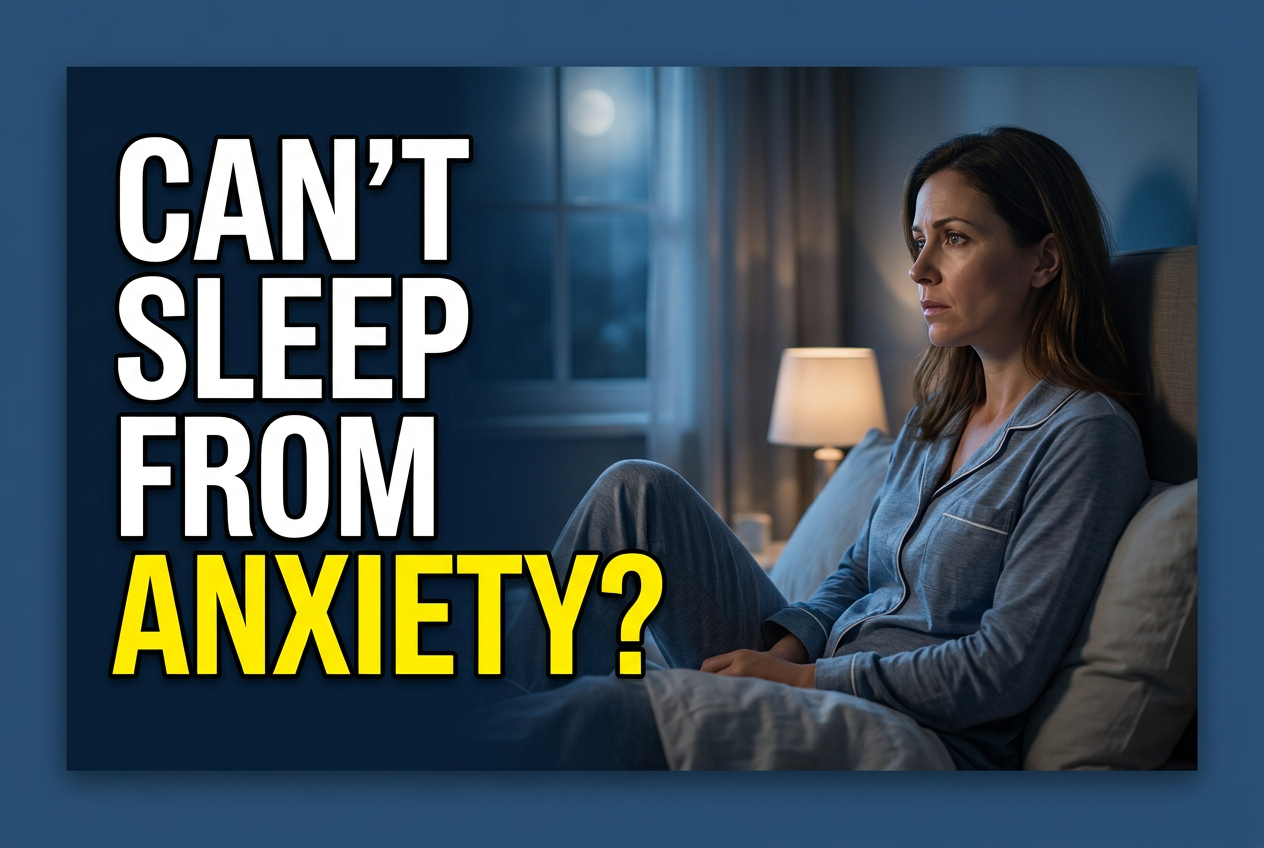
When worry keeps returning at bedtime or wakes you during the night, it can affect your energy, concentration, and daily routines. For adults exploring anxiety treatment in Milledgeville, GA, a psychiatric evaluation may help clarify what is contributing to both anxiety and sleep difficulties—and what kinds of support could be appropriate. Sleep problems have many possible causes, so an evaluation is a chance to discuss the full picture rather than assume anxiety is the only explanation.
Key Takeaways
- Anxiety and disrupted sleep can reinforce one another, but sleep difficulties may also have other causes.
- A psychiatric evaluation typically explores symptoms, health history, medications, substances, stressors, and daily functioning.
- Care may include therapy, sleep-focused strategies, medication, or a combination, depending on individual needs and preferences.
- Improving sleep can take time; follow-up helps assess progress and adjust a care plan safely.
How anxiety can interfere with sleep
Anxiety can make it difficult to settle down, fall asleep, or return to sleep after waking. Some people experience repetitive worries, muscle tension, restlessness, irritability, or a sense of being on alert. Others may wake early and find it hard to stop thinking about responsibilities or possible problems. These experiences can occur with different anxiety conditions, but they do not establish a diagnosis on their own.
Sleep loss may also make it harder to manage stress and emotions the following day. Over time, a person may begin to worry about not sleeping, which can add pressure at bedtime. This cycle is common, but it can be addressed with appropriate support.
What a psychiatric evaluation in Milledgeville may explore
A psychiatric evaluation is a conversation and assessment—not a test you pass or fail. The clinician may ask when the sleep problem began, how often it happens, and whether anxiety is present during the day as well as at night. They may also ask how symptoms affect work, relationships, responsibilities, and overall well-being.
Sleep patterns and contributing factors
It can help to describe your usual bedtime and wake time, how long it takes to fall asleep, nighttime awakenings, naps, and how rested you feel in the morning. A clinician may ask about shift work, recent changes in routine, caffeine, alcohol, nicotine, cannabis, or other substances. Some substances and medications can affect sleep, so be prepared to share what you take—including nonprescription products. Do not stop or change a prescribed medication without discussing it with the prescriber.
Health history and other possible explanations
An evaluation may cover physical health, past mental health concerns, family history, current stressors, and previous treatment. Sleep difficulties can be associated with many factors, including pain, medication effects, breathing-related sleep problems, depression, and changes in sleep schedule. If the information suggests a medical or sleep-related concern outside the scope of psychiatric care, the clinician may recommend discussing it with another healthcare professional.
It is useful to mention any periods of unusually high energy or reduced need for sleep, particularly if they occur alongside marked mood changes or impulsive behavior. This information can help a clinician consider different explanations and tailor recommendations. Only a qualified professional can assess and diagnose a mental health condition.
Treatment options that may be considered
There is no single plan that fits everyone. Recommendations depend on the evaluation, the nature of the sleep problem, a person’s health history, preferences, and any other treatments they are receiving.
Therapy and sleep-focused strategies
Psychotherapy can help people identify patterns of worry and practice ways to respond to anxious thoughts. Cognitive behavioral therapy for insomnia (CBT-I) is a structured approach designed specifically for persistent insomnia. A clinician can help determine whether a therapy or referral may fit your situation.
Consistent wake times, a calming wind-down routine, and a sleep environment that supports rest may be useful parts of a broader plan. These steps are not a substitute for an evaluation when symptoms are persistent, severe, or interfering with daily life. Avoid treating alcohol or nonprescription sleep products as a long-term solution without professional guidance.
Medication and follow-up
A prescriber may discuss medication when clinically appropriate, but medication is not necessary for every person. The conversation can include potential benefits, side effects, interactions, and how a treatment would be monitored. Tell the prescriber about other medications and health conditions, and ask what to do if a side effect occurs.
Follow-up is an important part of care. It gives you and your clinician a chance to review sleep and anxiety symptoms, discuss concerns, and consider whether the plan needs to change. Improvement may be gradual, and a treatment approach may require adjustment.
Is TMS relevant to anxiety-related sleep problems?
Transcranial magnetic stimulation (TMS) uses magnetic pulses to stimulate targeted brain regions. It may be considered for certain patients with depression after a professional assessment, but it is not a general sleep treatment or a first step for every person with anxiety. Suitability depends on clinical evaluation, and TMS has limitations and potential side effects. Discuss whether it is relevant to your situation with a qualified clinician rather than assuming it is appropriate.
When to seek professional support
Consider contacting a mental health professional if anxiety or poor sleep persists, worsens, or makes it difficult to manage everyday responsibilities. You can prepare by noting when symptoms occur, how sleep has changed, and what you have already tried. Bring a current medication and supplement list, and write down questions you want answered.
Helpful questions may include:
- What might be contributing to both my anxiety and sleep difficulties?
- Could a medication, health condition, or sleep disorder be affecting my rest?
- What treatment options fit my needs, and what are their possible risks?
- How will we track progress, and when should I follow up?
If you are thinking about suicide or feel unable to keep yourself safe, call or text 988 in the United States. If there is immediate danger, call 911. DPS Health & Wellness is not an emergency or crisis service.
Frequently Asked Questions
Can anxiety cause trouble falling asleep?
Anxiety can contribute to difficulty settling down or staying asleep, but it is not the only possible cause. A professional evaluation can help explore other factors as well.
What should I bring up during an evaluation?
Describe your sleep schedule, anxiety symptoms, health history, stressors, and any medications or substances you use. Mention how symptoms affect your daily life and share questions or treatment preferences.
Does everyone with anxiety-related sleep problems need medication?
No. Treatment depends on the individual assessment. Therapy, sleep-focused approaches, medication, or a combination may be discussed, and some people may not need medication.
How can I learn about care options in Milledgeville?
Contact DPS Health & Wellness to ask about its psychiatric and mental health services and whether relevant options are available for people in Milledgeville. Availability may vary by service and location.
About DPS Health & Wellness
DPS Health & Wellness provides psychiatric and mental health services. If you are in Milledgeville and considering support for anxiety that disrupts sleep, contact the practice to learn about its services and whether they may fit your needs. A discussion with the practice can help clarify service and location availability; it does not replace an individualized clinical evaluation.
Learn More About DPS Health & Wellness
Watch: DPS Health & Wellness on YouTube
Your Body Knows When You're Not Real