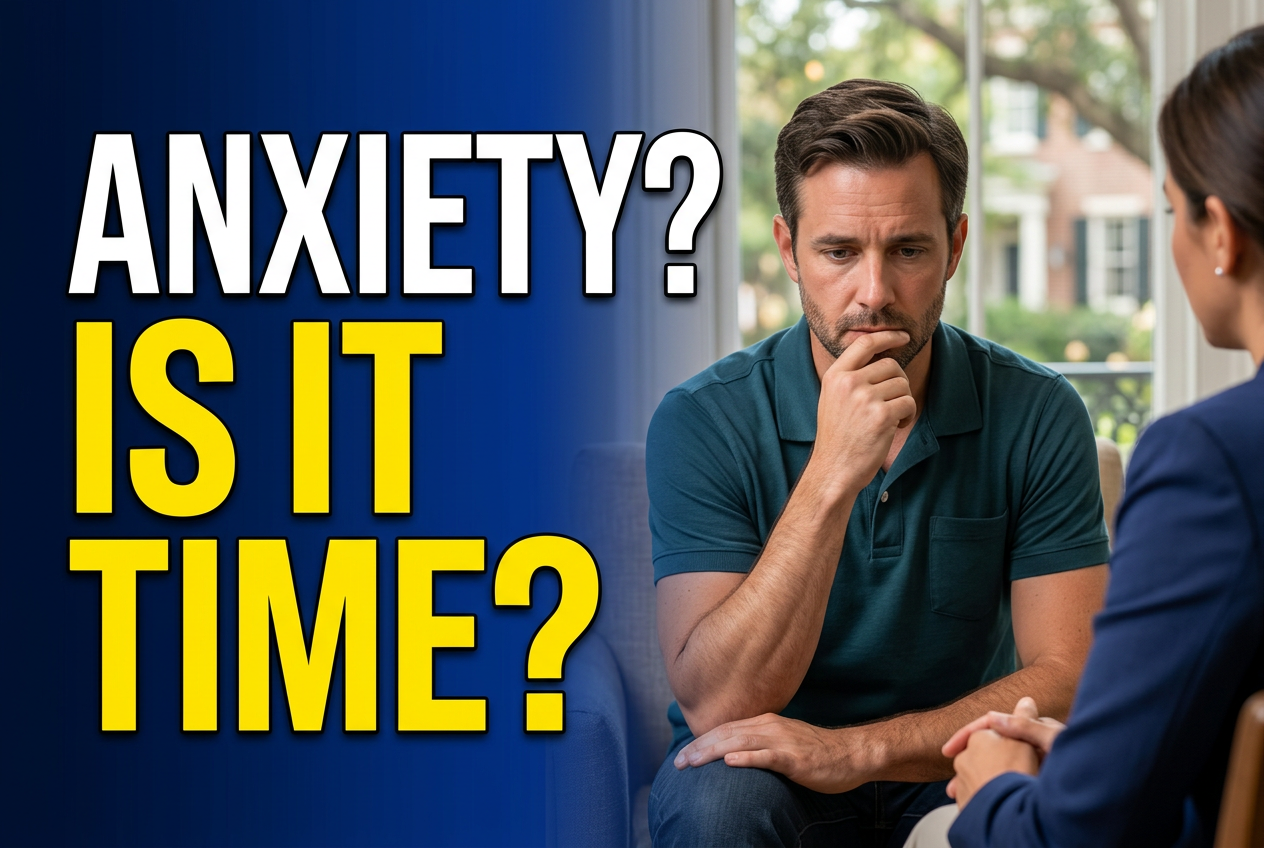
Worry is a normal response to stress, but anxiety that persists, feels difficult to control, or disrupts everyday life may deserve professional attention. If you are looking into anxiety treatment in Savannah, GA, a psychiatric evaluation can help clarify what you are experiencing and whether treatment options may be appropriate. Seeking an evaluation does not mean you have a particular diagnosis or that you will need medication; it is a chance to discuss your concerns and consider next steps with a qualified professional.
Key Takeaways
- Consider an evaluation when anxiety is persistent, hard to manage, or interfering with daily activities, relationships, sleep, or work.
- A psychiatric evaluation typically includes questions about symptoms, health history, medications, and daily functioning.
- Treatment may involve psychotherapy, medication, or other supports, depending on individual needs and clinical assessment.
- In an emergency or immediate danger, call 911. For suicidal thoughts or emotional crisis in the United States, call or text 988.
When Does Anxiety Warrant a Psychiatric Evaluation in Savannah?
There is no single duration or level of worry that determines whether someone should seek an evaluation. A useful guide is whether anxiety is causing distress or making it harder to live the way you want. You do not need to wait until symptoms become severe to ask for help.
Consider speaking with a mental health professional if worry is frequent or difficult to set aside, if you feel persistently on edge, or if anxiety is leading you to avoid everyday situations. Other possible signs include trouble concentrating, irritability, restlessness, muscle tension, sleep difficulties, or episodes of intense fear. Physical sensations such as a racing heart or shortness of breath can also occur with anxiety, but they may have other causes. A healthcare professional can help assess them.
Notice the effect on daily life
It may help to reflect on whether anxiety is affecting attendance at work or school, relationships, routine responsibilities, or activities you once valued. You might also consider how much time you spend worrying, whether you feel able to manage it, and whether you rely on avoidance to get through the day. These observations can give a clinician a clearer picture; they do not by themselves establish a diagnosis.
What Happens During a Psychiatric Evaluation?
A psychiatric evaluation is a conversation and assessment designed to understand your symptoms, history, and needs. The clinician may ask when the anxiety began, what tends to bring it on, how often it occurs, and how it affects sleep, concentration, relationships, and everyday functioning. They may ask about your physical health, medications or supplements, substance use, past mental health care, and family history when relevant.
You may also be asked about mood, stressful experiences, and other symptoms. Anxiety can overlap with depression and other mental health concerns, and some medical conditions or substances can contribute to anxiety-like symptoms. The evaluation helps a clinician consider these possibilities and determine whether further medical assessment may be useful.
There is no need to prepare perfectly. If it feels helpful, make a few notes about your concerns, when symptoms occur, and questions you want to ask. Be as open as you can; the purpose is to understand your situation and discuss appropriate options, not to judge you.
Anxiety Treatment Options to Discuss
Care is individualized. After an evaluation, a clinician may discuss one or more options based on your symptoms, preferences, health history, and goals. You can ask about potential benefits, risks, alternatives, and how progress would be reviewed.
Psychotherapy and practical supports
Psychotherapy, including approaches such as cognitive behavioral therapy, may help people identify patterns in anxious thoughts and gradually practice new ways of responding. A therapist can discuss what approach fits your concerns. Sleep routines, regular physical activity, relaxation skills, and reducing excess caffeine may also support well-being for some people. These strategies are not a substitute for needed professional care, but they can be part of a broader plan.
Medication management
Medication may be considered for some people, but it is not necessary or appropriate for everyone. A psychiatric professional can review possible options, expected benefits, side effects, interactions, and follow-up needs. Do not start, stop, or change a prescribed medication without consulting the prescribing professional. If you are already taking medication, share that information during the evaluation.
Psychotherapy and medication management are distinct approaches, and a treatment plan may include one, both, or neither. The choice depends on clinical assessment and your preferences. No treatment can be guaranteed to work, and it may take follow-up conversations to determine whether a plan needs adjustment.
Finding Anxiety Care in Savannah, GA
When exploring anxiety treatment in Savannah, ask how an evaluation is conducted, what types of follow-up may be available, and how the clinician involves you in care decisions. You can also ask whether appointments are offered in person or through telehealth and what practical requirements apply. Confirm details directly with the practice; services and availability can vary.
It can be useful to bring a list of medications and supplements, relevant health information, and questions such as: “What might be contributing to these symptoms?” “What options are appropriate for me?” and “How will we know whether the plan is helping?” If you are unsure whether your symptoms warrant care, an initial conversation with a qualified professional can help you decide what to do next.
Frequently Asked Questions
Do I need a diagnosis before asking for an evaluation?
No. You can seek an evaluation because anxiety or worry is concerning you. The clinician will assess your experiences and discuss whether a diagnosis or further assessment is appropriate.
Does a psychiatric evaluation mean I will be prescribed medication?
No. Medication is only one possible option. A clinician may discuss psychotherapy, practical supports, medication, other recommendations, or follow-up based on your individual situation.
Can anxiety symptoms have a physical cause?
Some medical conditions, medications, or substances can contribute to symptoms that resemble anxiety. Share physical symptoms and health history with a clinician, who can consider whether medical evaluation is also needed.
When should I seek urgent help?
If you may harm yourself or someone else, or face immediate danger, call 911 or go to an emergency department. In the United States, call or text 988 for suicidal thoughts or emotional crisis support. DPS Health & Wellness is not an emergency service.
About DPS Health & Wellness
DPS Health & Wellness provides psychiatric and mental health services. If you are considering an evaluation for persistent worry, contact the practice to learn about its services and ask whether they may fit your needs. Confirm current service details directly; this article does not confirm a physical office in Savannah or the availability of any specific service there.
For additional general information about anxiety disorders, visit the National Institute of Mental Health.
Learn More
If anxiety is affecting your daily life, you can learn more about DPS Health & Wellness and explore whether its psychiatric and mental health services may be relevant to your needs in Savannah, Georgia.
Learn More About DPS Health & Wellness
Watch: DPS Health & Wellness on YouTube
Do Conversations Replay in Your Head? (ADHD)